The demands and options for decking materials have grown significantly over the past few years. Some homeowners don’t just stick to the traditional timber decking but rather find some alternatives for their outdoor living space. Factors like prices, benefits, and disadvantages should be considered before you move into construction. There’s really nothing wrong with that. In fact, it is a better way to determine which decking material stands out among others.One important factor that a homeowner should know is to understand the quality of the decking material to use. You are expecting that it should withstand the weathering effects of environmental and exposure conditions. Though in reality it is inevitable but knowing which one delivers a long-lasting strength and offers the least maintenance requirements without affecting aesthetics and functionality is a game changer. The process of choosing which one possesses these qualities is quite challenging. So, to give you some insights, let’s get a better grasp on how the industry’s leading decking materials perform when it comes to providing a low maintenance feature.
Wood
Despite all the emerging products in the market, wood remains the top choice for decking projects. Budget-conscious homeowners and wood advocates still prefer the authenticity and natural appeal of the fresh wood. Pressure treated wood, cedar, and redwood are great choices for wood decking. These are the least expensive yet high maintenance options. Traditional wood decks easily fade when exposed to weather conditions. Though the chemical treatment forced into a pressure-treated wood makes it water-resistant, the wood itself is not dimensionally stable. This means that it is prone to cracking, splitting and warping. Chemicals therein won’t also prevent the wood from the effects of molds and mildew. To maintain the optimal function of your deck, periodic sealing and staining is a must every 2 to 3 years. On the other hand, cedar and redwood are naturally superior. You need not put any chemicals because they have naturally-produced oils that resist molds and insect infestation. That means that they don’t rot and decay. However, maintenance might be costly in the long run as it requires power washing every year. Also, finishing every three or four years is necessary to achieve its natural color and appeal.
Composites
Composite material remarkably increases its value as more homeowners use them for deck projects. With its mixtures of mostly recycled plastic and wood fibers, it is also a top choice for builders today. Wood composites are easy for upkeep. It is ideal for someone who wants to spend less of their time and money on maintenance. The great advantage of composite decking is you don’t have to seal or stain it periodically. Also, it won’t easily split, warp or crack because of its material composition. Not to mention that It is highly resistant to scratching and staining as well. However, wood fibers of composites are quite prone to molds, so occasional cleaning is important. The initial cost of composite decking is much higher than traditional wood decking. However, if you take into consideration the price of on-going maintenance of other decking materials, composite decking still offers a low maintenance cost. The major downside of a composite decking is its material composition itself. Some homeowners don’t buy the idea of using a synthetic material to mimic the look and feel of a natural timber. Make sure to discuss your options and variations with your contractor for a better aesthetic value.
Vinyl
Vinyl decking possesses almost the same characteristics as that of the composite decking. It requires even low maintenance benefits than wood and wood composites. This is the reason why switching to vinyl decking is a great move if you are rooting towards a less maintenance requirement and cost. You can expect that your deck will not peel, fade, or chip over the years. This means that you don’t have to worry about sealing or repainting. However, occasional cleaning is still necessary as molds and mildew can still harbor on its surface. The greatest weakness of vinyl decking is its appearance. It is very evident that it is a fake wood grain mimicking the look of a real wood. Also, it is lightweight but not as versatile as the composite decking. This means that it cannot tolerate harsh temperatures like direct exposure to sunlight and extreme coldness. You may expect the material to melt on extreme heat or crack when in extremely cold weather.
Aluminum
Whenever we think about decking project, we don’t immediately recognize aluminum as an option. However, aluminum decking boasts specific features, making it a great decking material with low maintenance requirement and cost. The material is much stronger yet lighter than its wood counterpart. It is very mold-, mildew- and slip-resistant, which is ideal even in humid areas or conditions. Because of its metallic composition, you can expect that it won’t rot, crack, or peel. Aluminum decking, however, has various disadvantages. It easily fades especially exposed to direct sunlight. If you’re into the look and feel of the natural wood, this won’t be your option as well. The sound of walking or running over an aluminum deck is also annoying whenever you throw in a gathering or party. Not to mention that the cost is quite higher as opposed to other decking materials.
Fiber Cement
Fiber cement decking is an innovative approach to answer some disadvantages of composite decking. The material is a combination of sand, silica glass, cellulose fiber, and cement. This composition makes it highly durable and low maintenance. It is also impermeable to humidity or moisture. The problem with fiber cement decking is in the installation process. The material is compressed which makes it difficult to cut. Installation is then labor intensive. A special equipment is needed for the completion of the process. The product is also higher in cost as compared to other decking materials. Some homeowners also fear health risk because of the silica dust.
Final Thoughts
Building a deck means enhancing the property’s curb appeal and marketability. So, choosing the best decking material is really a must. Indeed, it is important to be in the know. Knowing your options to which decking material offers a low maintenance requirement makes it easier to decide. It would also be recommendable to talk to your professional contractor for consultation. In this way, you can be assured of a better decision before you move into construction.



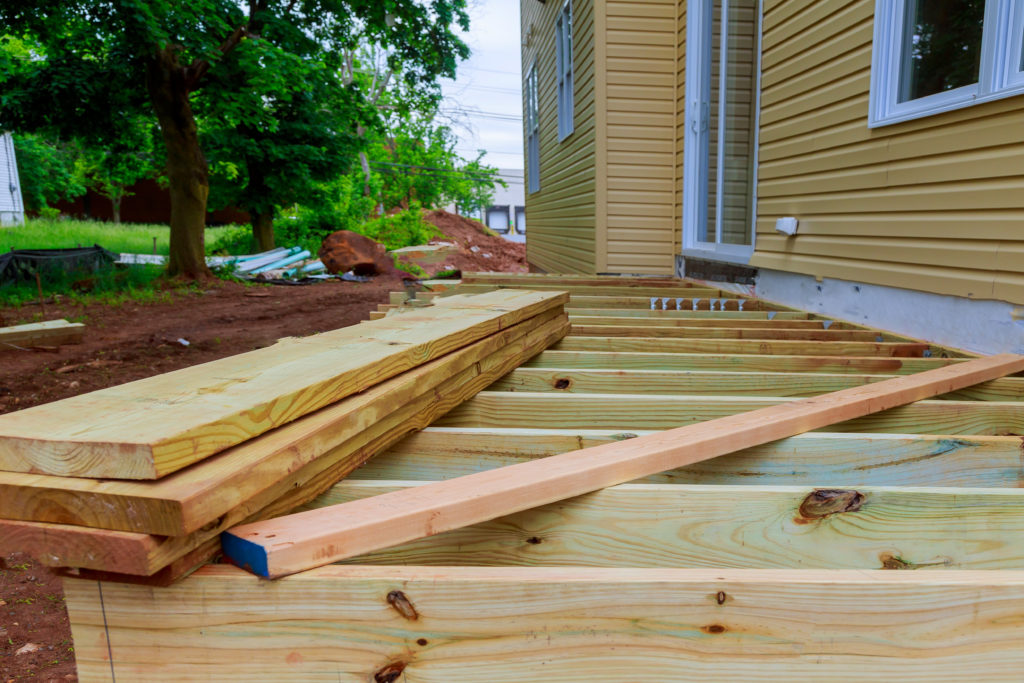
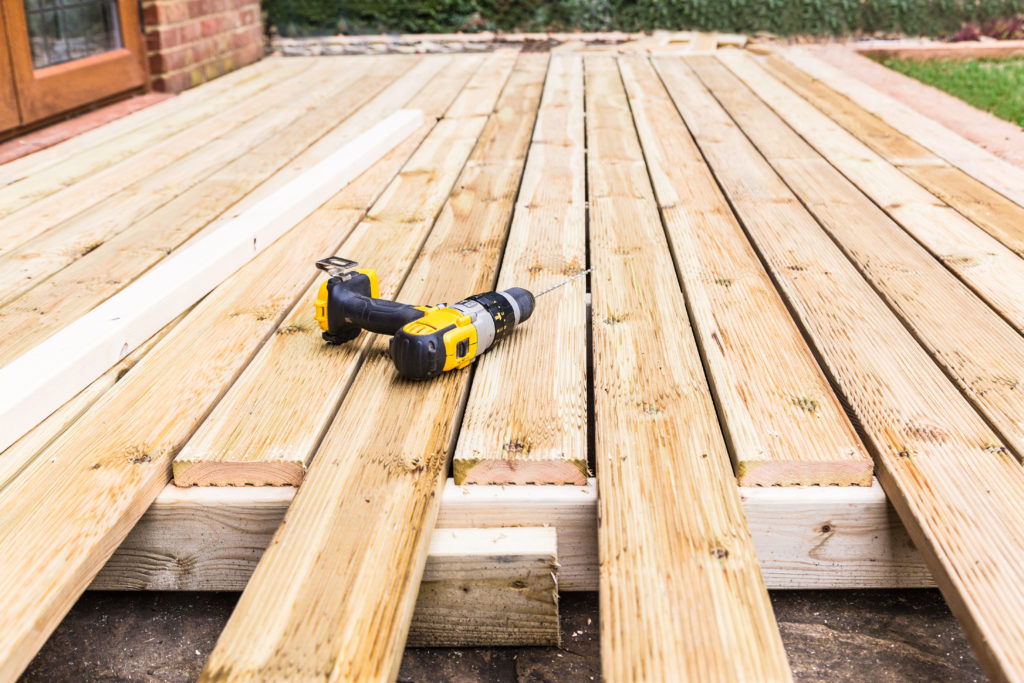 On the other hand, cedar and redwood are naturally superior. You need not put any chemicals because they have naturally-produced oils that resist molds and insect infestation. That means that they don’t rot and decay. However, maintenance might be costly in the long run as it requires power washing every year. Also, finishing every three or four years is necessary to achieve its natural color and appeal.
 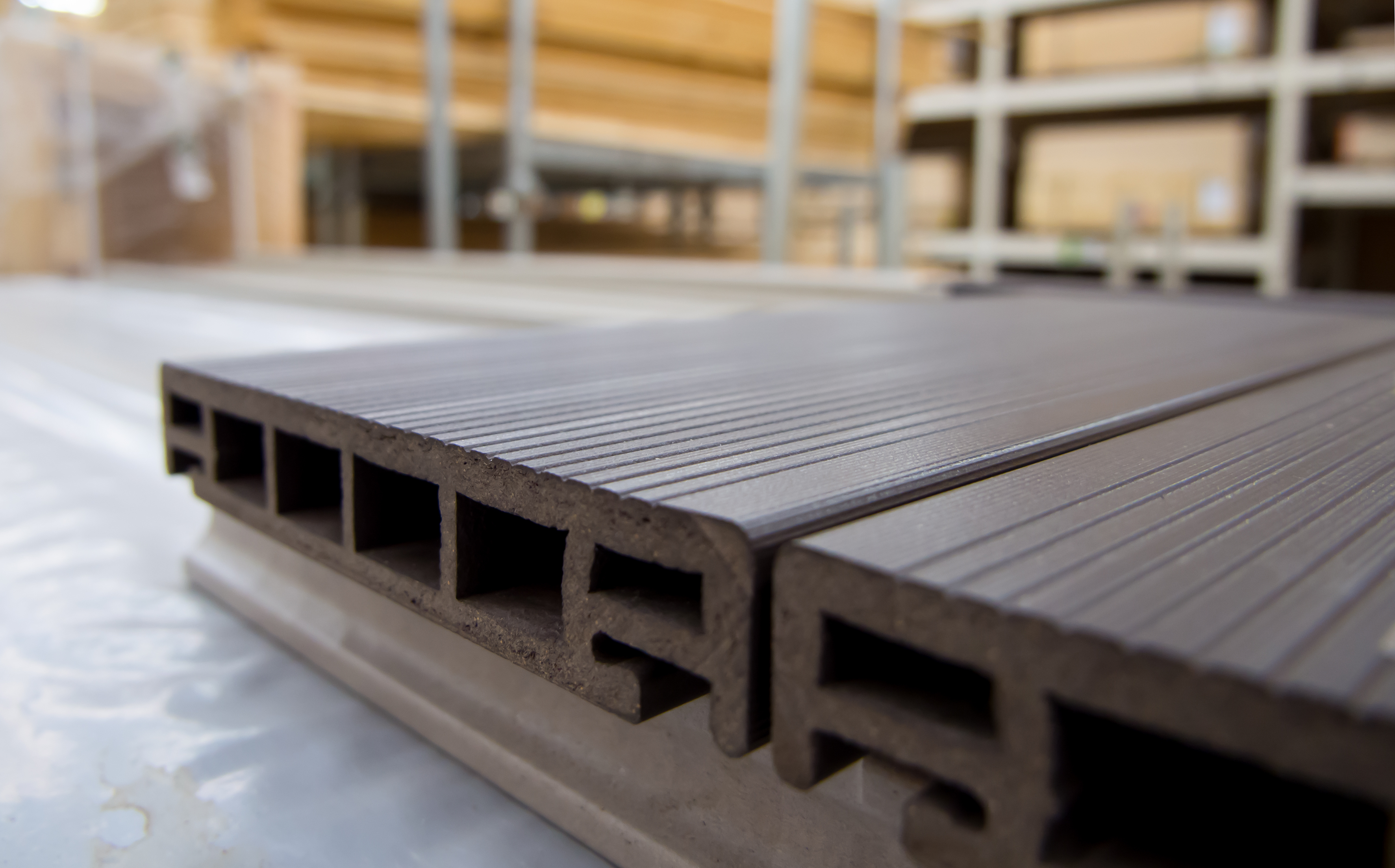 The initial cost of composite decking is much higher than traditional wood decking. However, if you take into consideration the price of on-going maintenance of other decking materials, composite decking still offers a low maintenance cost. The major downside of a composite decking is its material composition itself. Some homeowners don’t buy the idea of using a synthetic material to mimic the look and feel of a natural timber. Make sure to discuss your options and variations with your contractor for a better aesthetic value.
 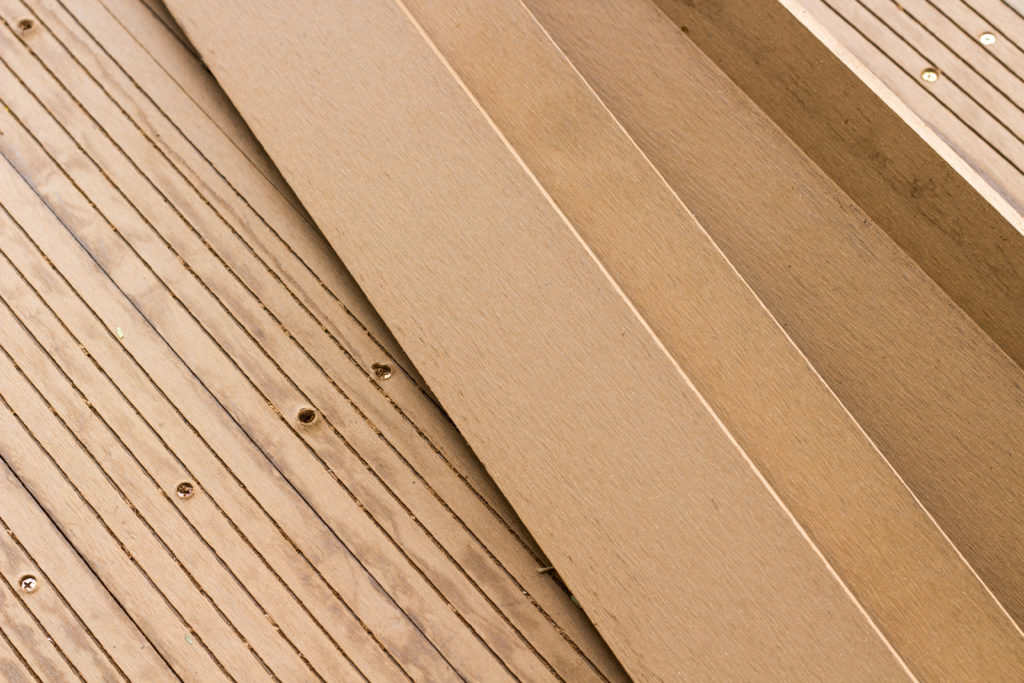 The greatest weakness of vinyl decking is its appearance. It is very evident that it is a fake wood grain mimicking the look of a real wood. Also, it is lightweight but not as versatile as the composite decking. This means that it cannot tolerate harsh temperatures like direct exposure to sunlight and extreme coldness. You may expect the material to melt on extreme heat or crack when in extremely cold weather.
 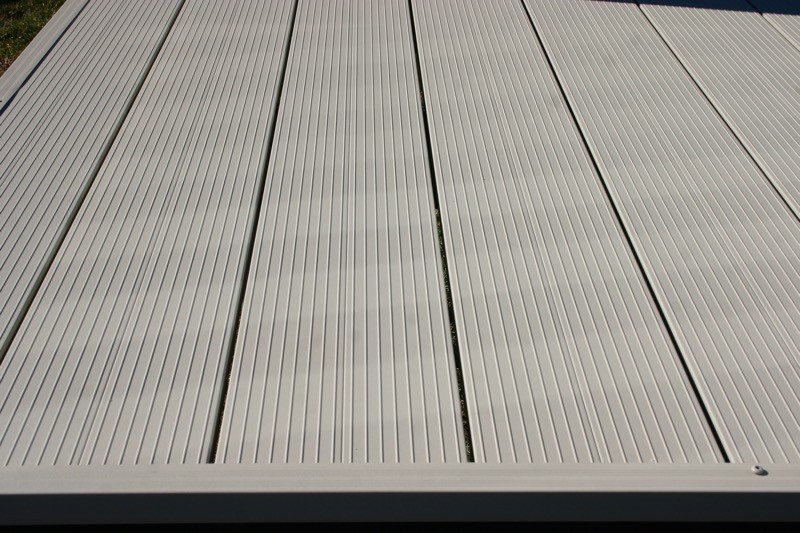 Aluminum decking, however, has various disadvantages. It easily fades especially exposed to direct sunlight. If you’re into the look and feel of the natural wood, this won’t be your option as well. The sound of walking or running over an aluminum deck is also annoying whenever you throw in a gathering or party. Not to mention that the cost is quite higher as opposed to other decking materials.
 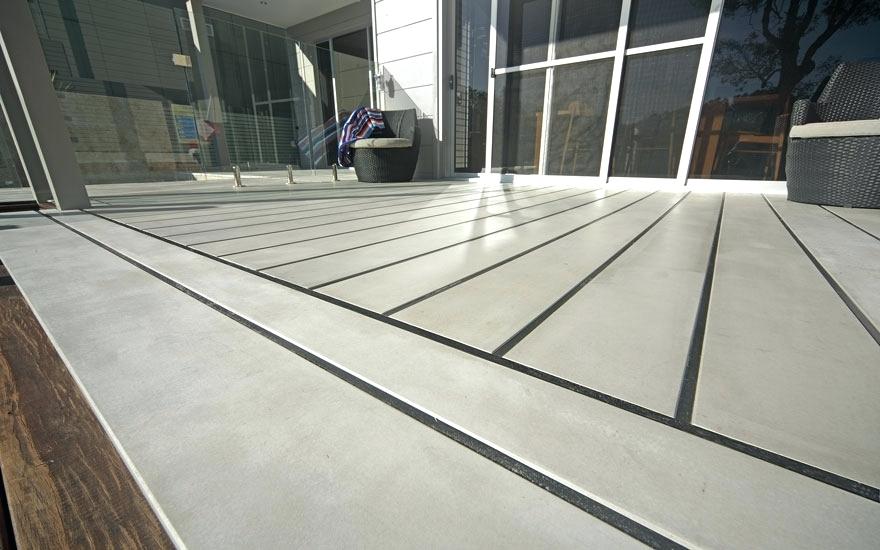 The problem with fiber cement decking is in the installation process. The material is compressed which makes it difficult to cut. Installation is then labor intensive. A special equipment is needed for the completion of the process. The product is also higher in cost as compared to other decking materials. Some homeowners also fear health risk because of the silica dust.