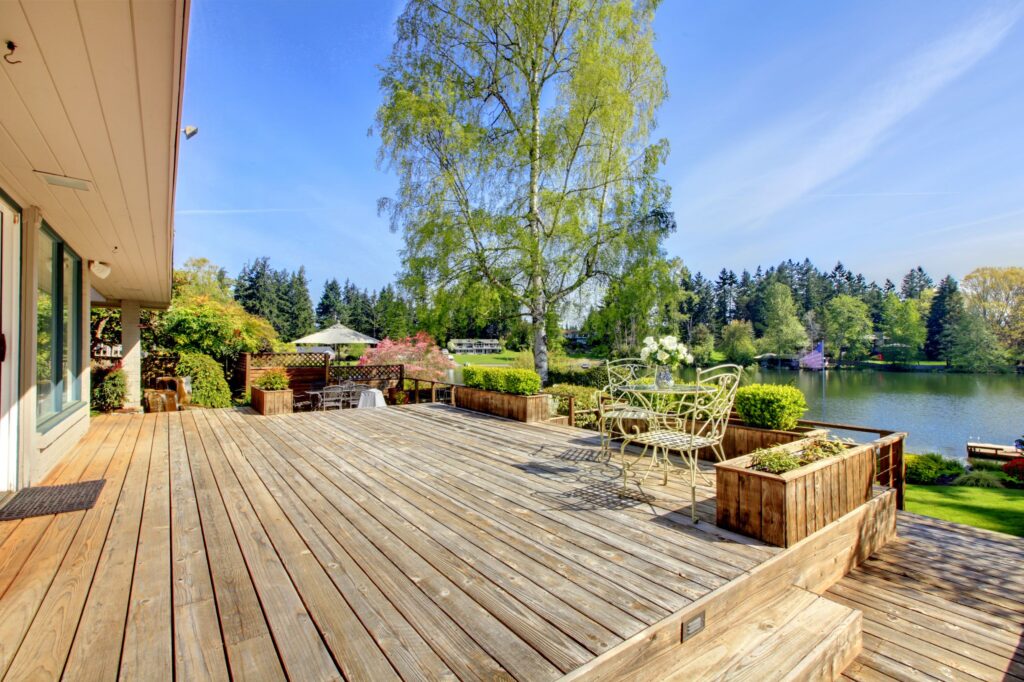
Whether you are building or replacing a deck, choosing the right material is very critical. A sturdy, durable, and efficient material can make a well-constructed deck, which can remain stable for a decade or even more. That is why one of the first important steps in deck building is understanding which material perfectly suits your outdoor living space. Though the deck industry continues to market and introduce composites and other sustainable decking products, wood decking remains to be the top choice.Wood decking is a perennial favorite in many homes across the US. Because it is generally accessible, manufacturers and builders are expecting to see tremendous growth of timber decking in residential areas. This is also the main reason why we want to highlight the benefits of wood as a sustainable and versatile material for your deck. But aside from its merits, timber decking has its drawbacks that you should know. Through this article, we will weigh your options and identify the pros and cons of wood decking. We will tackle timber decking in general as there are many wood products you can use for deck construction and restoration. We will also explore the differences between softwood and hardwood decking, so you can easily make an informed decision. Let’s find out if wood is the right material for your deck.
Knowing The Pros Of Wood Decking
1. Readily Available
Wood decking comes in varieties. It is readily available that you can have a world of options if you choose timber for your deck. From pressure-treated lumber, redwood, cedar to tropical hardwood—you can pick the best option. Applying finishes to wood decking is highly accessible in the market as well. The industry loves timber decking and you can have endless possibilities to raise the charm of your outdoor living space. With wood decking, it is safe to say that your only limitation is your imagination.
2. Cost-Effective
Depending on which type of wood, timber decking can be the most cost-effective option you can have. Wood decking is less expensive than composite, especially during installation. Pressure-treated lumber is the most economical option for decking materials. The chemical treatment forced into the wood makes the pressure-treated lumber highly resistant to rot and damages from termites, thereby limiting the cost for maintenance and replacement. Upfront installation costs for pressure-treated wood, cedar, and redwood are relatively low as compared to other decking materials.
3. The Feel And Appeal of Nature
Nothing beats the allure of nature if you choose wood decking. Wood is seemingly traditional, but homeowners still prefer using it for deck construction because of its natural feel and appeal. Unlike synthetic decking materials, the natural beauty of wood decking makes it more attractive and inviting. You can’t also underestimate the rustic charm of timber decking that cannot be achieved by using aluminum, metal, or plastic decking counterparts. Composites might mimic the look of wood grains, but they are still synthetic. If you want to experience the authentic look, feel and smell of nature, then wood decking is the right option for you.
4. Long-lasting Strength And Durability
Another incredible reason why wood decking is an ideal option is because of its known durability and strength. Tropical hardwood is denser and heavier, which makes it very durable and resistant to rot and damages from pests. Hardwood has a life expectancy of over 40 years because it is not prone to cracks, stains, or chipping. This decking option is created to withstand any inclement weather or unforgiving conditions.Redwood and cedar, on the other hand, don’t rot or decay because they produce natural oils that can resist molds or insect infestations. No special treatment is needed to maintain its sturdiness. Also, these timber decking materials are less susceptible to warping as compared to other cheap materials.
5. Customizable And Highly Functional
Flexibility is what describes wood decking. Unlike synthetic decking options, timber can be convenient to cut up and arrange to a newer design or style. No need to worry about creating your layout and design ideas when you use wood as decking material.Timber is also excellent in hot weather. While synthetic decking materials can be uncomfortably hot during prolonged exposure to high temperature, wood decking absorbs and retains less heat, so you can comfortably walk on your bare feet. Imagine how this can be the right spot during summer.
Dealing With The Cons Of Wood Decking
1. Maintenance
Wood decking is high maintenance. It demands greater attention and care as opposed to other synthetic alternatives. To maintain its appearance and vibrancy, you need to seal and stain the surface every few years. Sealing and staining are important aspects of deck maintenance as it prevents moisture damage that may impact the structural integrity of your deck in the future. Upkeep can be quite costly, so it is better to consult a local contractor to help you maintain your outdoor living space. A good contractor can determine the deck issues right away and provide you with the right solution to them.
2. Some Wood Species Are Expensive
Though wood decking is more cost-effective than any other decking material, some wood products like tropical hardwood can be expensive. Hardwood is highly durable, but it is usually exotic and imported, which makes it costly. Since it is much denser and heavier, the need for pre-drilling and cutting hardwood can increase design and labor expenses as well.
3. Unstable
Not all products for wood decking are dimensionally stable. This is true in the case of pressure-treated lumber. Though this type of wood has chemical treatment to resist damages from termites and rots, the possibility of splitting, warping, or cracking is still high.
Hardwood vs Softwood Decking
Is hardwood decking much better than softwood decking? This is a common question for anyone who wants to build a wood decking at home. There are a lot of factors that you need to consider in choosing the best type of wood for your outdoor living space. Let’s explore the comparison and differences between hardwood and softwood decking.
What Is Hardwood Decking?
Hardwood decking is typically built from slow-growing trees such as oak and ash. The structure of the boards is more complex as compared to softwood deck boards. The types of trees used for hardwood decking are more difficult to process and take a long time to grow and harvest, making it the most expensive choice in the market these days. The best thing about hardwood decking is that it is highly durable, so you can expect that it can last throughout the years. The average lifespan of a hardwood decking is 50 years if maintained properly.
Advantages Of Hardwood Decking
High Quality. The wood species used for hardwood decking are usually high-quality, so your outdoor living space looks stunning and premium.Longevity. Because of the structural properties of hardwood decking, you can expect that your outdoor haven is more durable and long-lasting. Most hardwood species have a dense cellular structure, which gives your deck an incredible strength and toughness. Appearance. One of the best attributes of hardwood decking is that it provides a world of options when it comes to colors, designs, and finishes. Your choices are limitless to blend well with any style setting of your home and your surrounding landscape. Plus, it gives your outdoor living space a natural look which can get better in years to come. Low Maintenance. Another great advantage of hardwood decking is its low maintenance requirements. It is so easy to clean and fix dents or scratches. Hardwood is also resistant to splitting, warping, and rotting.
Disadvantages of Hardwood Decking
Workability. Because hardwood decking is tough and much denser, it tends to be difficult to work with during installation and construction.Slow Growth Rate. The trees used for hardwood decking slowly grow, making it longer to replenish. With this, it may take time to harvest and manufacture. Expensive. Hardwood decking is relatively expensive because of its cellular structure and premium quality. Frequent Refinishing. Due to high foot traffic, your hardwood decking may require frequent refinishing, which may add up to the maintenance cost.
What Is Softwood Decking?
Softwood decking is typically built using coniferous or evergreen trees, which grow fast and easy to harvest. The most common types of softwood trees are pine and spruce. The best attribute of softwood decking is that it is so easy to work with. Softwood species are readily available in the market and affordable wood decking options. In fact, most decks are built from softwood deck boards because of their accessibility and cost-effectiveness.
Advantages Of Softwood Decking
Workability. Unlike hardwood, softwood decking is so easy to work with. It is much convenient to install and can be used in a wide range of applications. Eco-Friendliness And Sustainability. Softwood trees are fast-growing and easy to harvest, making them more environmentally-friendly than hardwood decking. It is also very sustainable because it comes from a renewable source. Longevity. If you want a softwood with a longer lifespan, you must choose pressure-treated wood. This type of wood can last for many years. Affordability. The best thing about softwood decking is that it is much less expensive than hardwood decking. This is very ideal if you are on a tight budget but would like to enjoy a perfect outdoor living space.
Disadvantages Of Softwood Decking
Low Density. Unlike hardwood, softwood decking has a lower density, which makes it less durable and much weaker. However, if you plan to use softwood trees for decking, consider higher density options such as Yew and Juniper. Prone To Wearing. Because softwood decking is less dense than hardwood, it is very vulnerable to fading over time. Also, softwood decks cannot stand up to wear, so it is not an ideal choice for high-foot traffic areas. Requires Regular Maintenance. Softwood decking requires frequent and regular maintenance to keep it in great shape. As much as possible, you should clean it twice a year. Poor Fire Resistance. Unless treated properly, the cellular structure of a softwood deck makes it less resistant to fire.
Final Thoughts
Now that we have figured out the pros and cons of wood decking, it is better to weigh down your options. Perhaps these questions will help you:Does it suit your style and match the overall landscape or design of your home?Is it the best decking material option for the condition of your home’s exterior all-year-round?Is it durable enough to withstand any weather or environmental conditions?Does it cost you more from installation to labor and maintenance?If the answer tempts you to choose wood decking, then the next step is to find the best contractor in town. Contact Deck Ready. We guarantee that you will get a premium deck service at a reasonable cost. So, let’s partner today to make your deck a substantial asset and be the envy in your neighborhood.




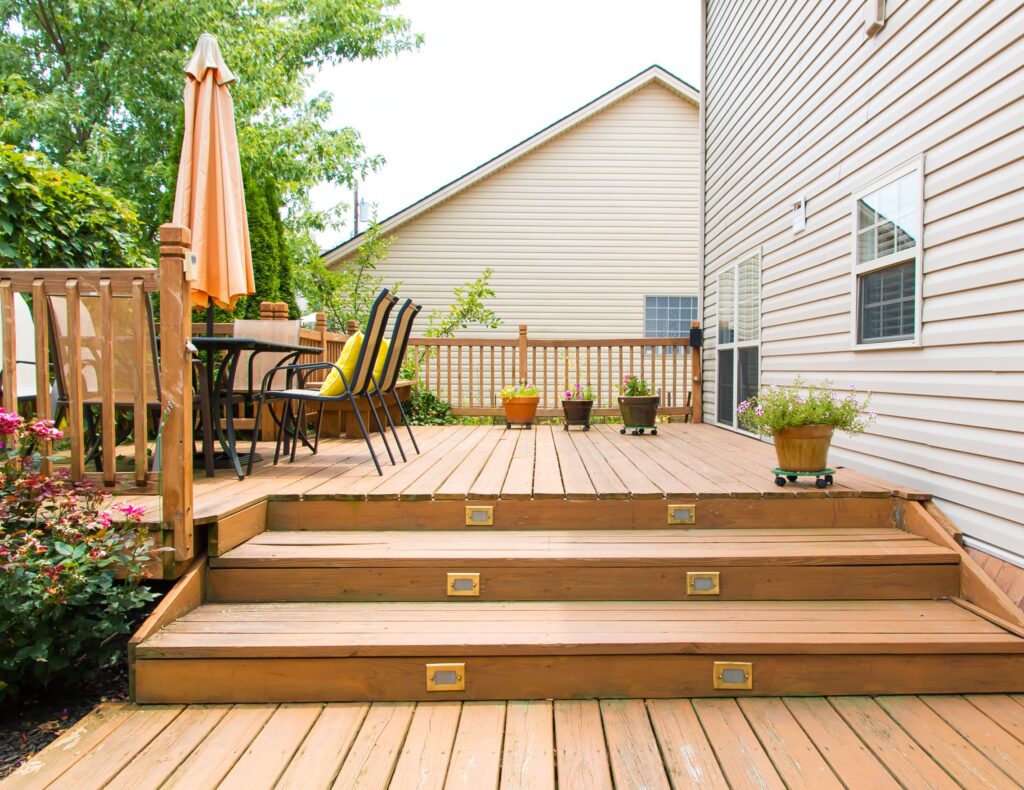 Wood decking is a perennial favorite in many homes across the US. Because it is generally accessible, manufacturers and builders are expecting to see tremendous growth of timber decking in residential areas. This is also the main reason why we want to highlight the benefits of wood as a sustainable and versatile material for your deck. But aside from its merits, timber decking has its drawbacks that you should know. Through this article, we will weigh your options and identify the pros and cons of wood decking. We will tackle timber decking in general as there are many wood products you can use for deck construction and restoration. We will also explore the differences between softwood and hardwood decking, so you can easily make an informed decision. Let’s find out if wood is the right material for your deck.