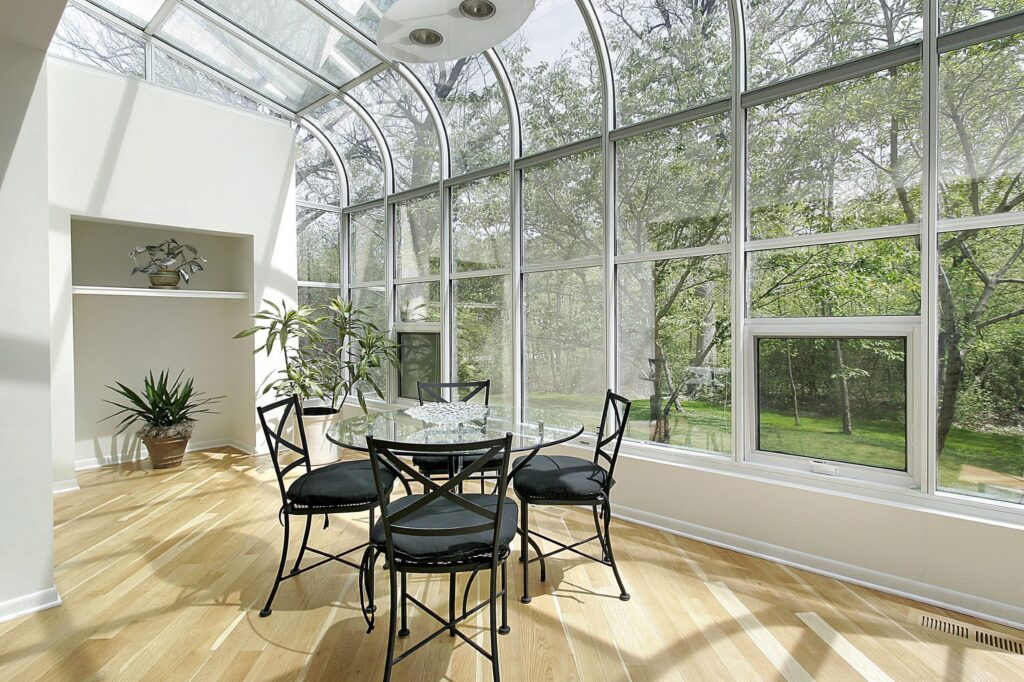
So, you have finally decided that you want a sunroom addition to your home. However, you are not really sure which design or style is right for you. While your decision to add a home enclosure is quite easy, the question of what sunroom interior material you want might probably be trickier. When building a sunroom, the most popular interior materials are vinyl and aluminum. Each option offers a wide range of benefits but has its own share of drawbacks as well. Depending on your personal taste, budget, and style, you may choose one sunroom interior material over another. So, to make sure that you are making the right decision, let’s have a rundown of the pros and cons of vinyl and aluminum sunrooms.
Choosing The Best Sunroom Interior Material
When you are faced with a difficult decision of whether to choose an aluminum or vinyl sunroom, consider the following questions below, so you can determine which material is right for you.
What’s Your Budget?
One of the most important considerations when building either vinyl or an aluminum sunroom is your budget. What kind of budget are you looking at? If you are on a strict budget and want to spend less upfront, the best sunroom interior material for you is aluminum. However, if you are looking for long-term investment and durability, a vinyl sunroom is an ideal choice. It boils down on whether you would like to spend less upfront or along the way.
How Much Time You Will Have For Maintenance?
When choosing the right sunroom interior material, you need to consider how much time you will have to keep your enclosure in its pristine condition. Do you have the time to maintain and clean your sunroom? This is particularly important as you don’t want to end up getting an unsightly sunroom in the long run. Comparing these two materials, aluminum requires less cleaning than a vinyl sunroom. However, vinyl does not require repainting or a touch-up every few years, unlike the aluminum sunroom.
What Type Of Climate Do You Have?
Another factor to consider in deciding between aluminum and vinyl sunrooms is your climate. You must consider how many seasons you are planning to use your new sunroom. For instance, if you live in the northern US and you would like to utilize your sunroom during cooler seasons, then you can choose an aluminum sunroom as it can conduct heat during chilly weather conditions. However, if you live in the southern US where the temperature is consistently warm, then a vinyl sunroom is the right choice for you because it absorbs less heat.
Sunroom Interior Material: Vinyl
Vinyl is one of the most popular materials not just for sunroom installation but also for building decks, floors, and fences. It is readily available in the market and offers a low maintenance requirement. Before you decide to use vinyl as a sunroom interior material, here’s a breakdown of its advantages and disadvantages.
Pros Of Vinyl Sunroom
Low Maintenance
If you like to cut down on your housework and spend less time on maintenance, a vinyl sunroom is the best choice. Vinyl requires low maintenance and resists rotting, scratching, and warping. This is particularly beneficial for anyone who just really wants to relax and savor the outdoor view from your sunroom without the need to worry about maintenance and upkeep. In fact, the only maintenance required for a vinyl sunroom is occasional wiping down to make sure that it is in great shape.
Durability
Because a vinyl sunroom is made of an extremely sturdy PVC (polyvinyl chloride) plastic resin, you can expect that it is exceptionally strong and stable. It is a durable sunroom interior material as it can withstand any inclement elements such as heavy rain or wind. The best thing about vinyl is that it can resist moisture and prevent corrosion throughout the years. It does not rot, so you can guarantee that your sunroom keeps its original appearance and qualities over time.
All-Year-Round Usability
Vinyl sunrooms are built to be cooled and heated for all-year-round use. It is a great choice for a four-season sunroom as you can maximize the functionality of your home enclosure in all seasons. This makes your outdoor and indoor living experiences much better and more memorable.
Energy Efficient
A vinyl sunroom is an excellent insulator against thermal and electrical energy. It can stand up so well against the summer heat, making your enclosure free from cracking or warping. During winter, it can hold the heat inside your room. With this, a vinyl sunroom is a perfect choice in areas that experience extreme cold or heat.In addition to this, a vinyl sunroom is energy efficient. It lowers energy costs, which reduces the carbon footprint that your sunroom typically creates. And because your HVAC system is under less stress due to vinyl materials, it can potentially reduce HVAC maintenance and repairs in the long run.
Cons Of Vinyl Sunroom
Higher Upfront Cost
If you are on a strict budget and don’t want to pay a higher upfront cost, then a vinyl sunroom is not a good choice. Initially, a vinyl sunroom is more costly than an aluminum sunroom.
Lack Of Design Or Charm
Vinyl can become a stunning sunroom interior material if it is installed correctly. However, as compared to wood or aluminum, its frame-minimizing abilities and charm are quite a downside. If you think that style and design are key factors in your decision-making, make sure to ask a professional sunroom builder for better recommendations.
Sunroom Interior Material: Aluminum
A top-quality aluminum sunroom can be stunning for years to come. If you choose aluminum as your sunroom interior material, you can expect that it truly emphasizes the natural light and picturesque views from the outside. However, like the vinyl sunroom, the aluminum has its downsides as well.
Pros Of Aluminum Sunroom
Sturdy
Aluminum offers rigidity and strength to your sunroom. It is a sturdy sunroom interior material that provides additional support to an enclosure when necessary. While it is true that most aluminum products are lightweight, many manufacturers are creating stronger and thicker variants to support an area in the sunroom that has a weight capacity.
Pest And Weather Resistant
If you have an aluminum sunroom, you won’t expect any problem with termites or insects destroying the structure. The aluminum is pest resistant, so it keeps your sunroom sturdy and stable for years to come. Also, aluminum does not normally rot or peel when exposed to outdoor elements.
Less Expensive
As compared to a vinyl sunroom, the upfront cost of building an aluminum sunroom is much less expensive. Not only the material is inexpensive, but it also provides ease of application, which consequently reduces the cost of construction. The aluminum sunroom is a perfect choice for anyone who is on a strict budget but wants to enjoy the perks of a home enclosure.
Cons Of Aluminum Sunroom
Easily Dented And Scratched
Because the aluminum is lightweight, it is very prone to scratches and dents. This normally happens even during the installation process. Even the most capable sunroom builders cannot prevent scratches from occurring. This makes the aluminum sunroom less durable than its vinyl counterpart.
Poor Insulator
Aluminum can easily conduct both thermal and electrical energy, making it an extremely poor insulator. It will be difficult to control the temperature inside the sunroom, the reason why this material is only good for seasonal use. Also, it is not as energy efficient as compared to a vinyl sunroom.
Which Sunroom Interior Material Do You Choose?
A sunroom can be a perfect haven to get the best of both worlds: indoor and outdoor living spaces. It is an ideal nook to relax, share great memories with your family, and savor the beauty of nature outside. However, before you start a sunroom installation, make sure to choose the right material wisely. Whether it be aluminum or vinyl, it is important to talk to a professional sunroom builder to know the pros and cons of each sunroom interior material. If you feel that you need some help from the expert, don’t hesitate to get in touch with us. Schedule a free in-home consultation today!