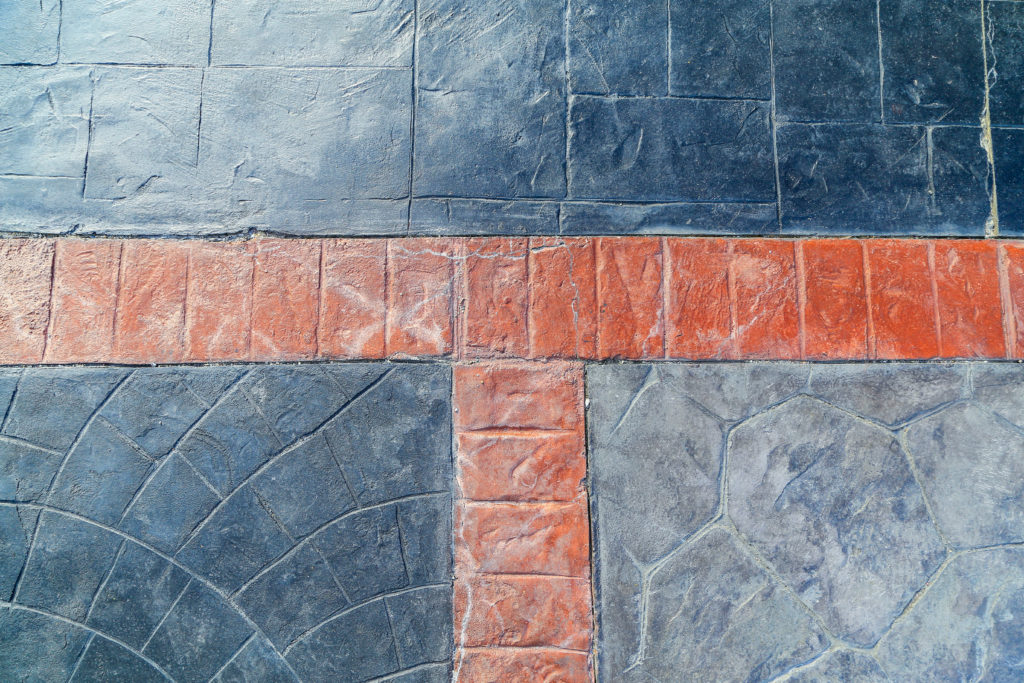
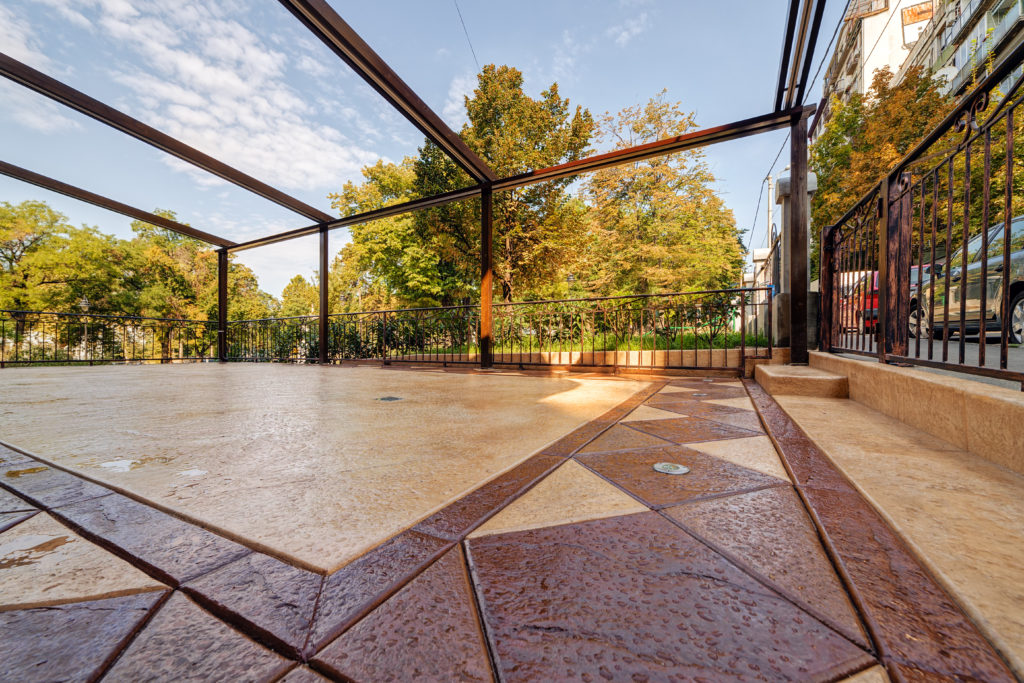
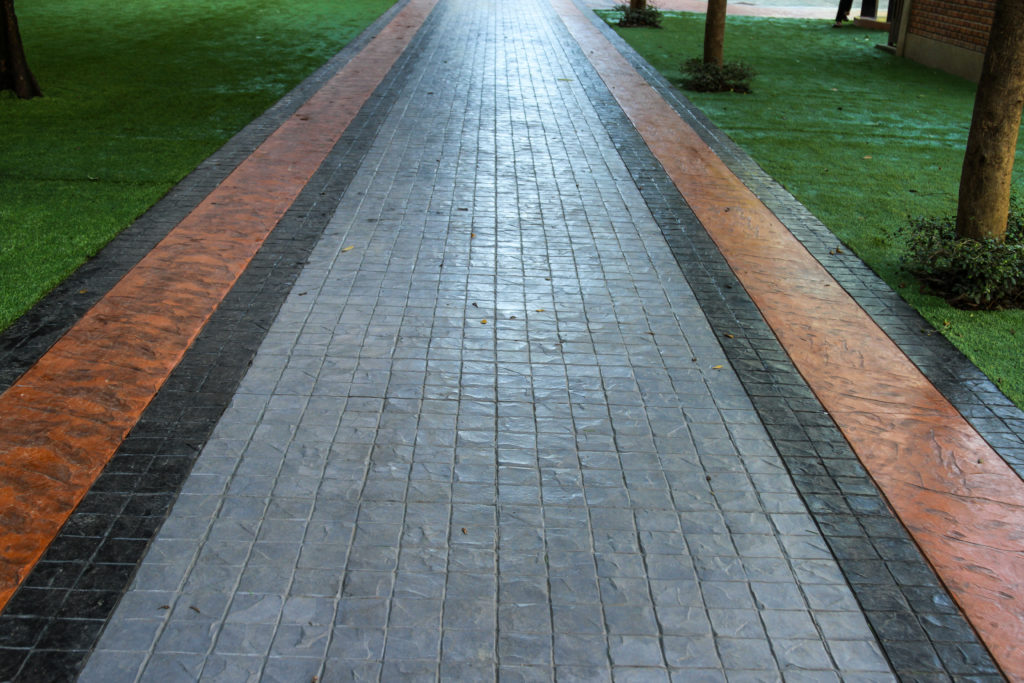
Home is our investment. A lot of times we think of getting our house revamped and put it higher on a “wow” scale. Whether it is your pool deck, or kitchen, driveway or patio, the idea of creating a cozy and appealing interior or exterior of the house is blissful. So, when you decide to convert your concrete floor or surface to something pleasing, you may want to think about the long-term benefits. Known as the best option for exterior areas of the house, stamped concrete might be the solution you’ve been looking for.Stamped concrete or decorative concrete mimics natural stones or surfaces and offers a wide array of options. It is ideal for outdoor projects like driveway, patio or pool deck because of its aesthetic value, durability and long-lasting benefits. With its high demand and popularity, it has been a top choice for homeowners and businesses alike. A detailed article from concreteconstruction.net says that the global decorative concrete market has reached USD 8.77 Billion in 2016 and is predicted to achieve USD 12.78 Billion by 2022. This figure can tell how stamped concrete can dominate the concrete floor industry today. However, before you jump start and contact a professional contractor near you, let’s find out why you should choose a stamped concrete over any other pavers and surface materials.
World of Benefits
Stamped concrete offers a world of advantages for homeowners and businesses. Here’s a better look at the benefits of a stamped concrete before you upgrade your patio or give your deck and driveway a custom design.
Choices and Proven Aesthetics
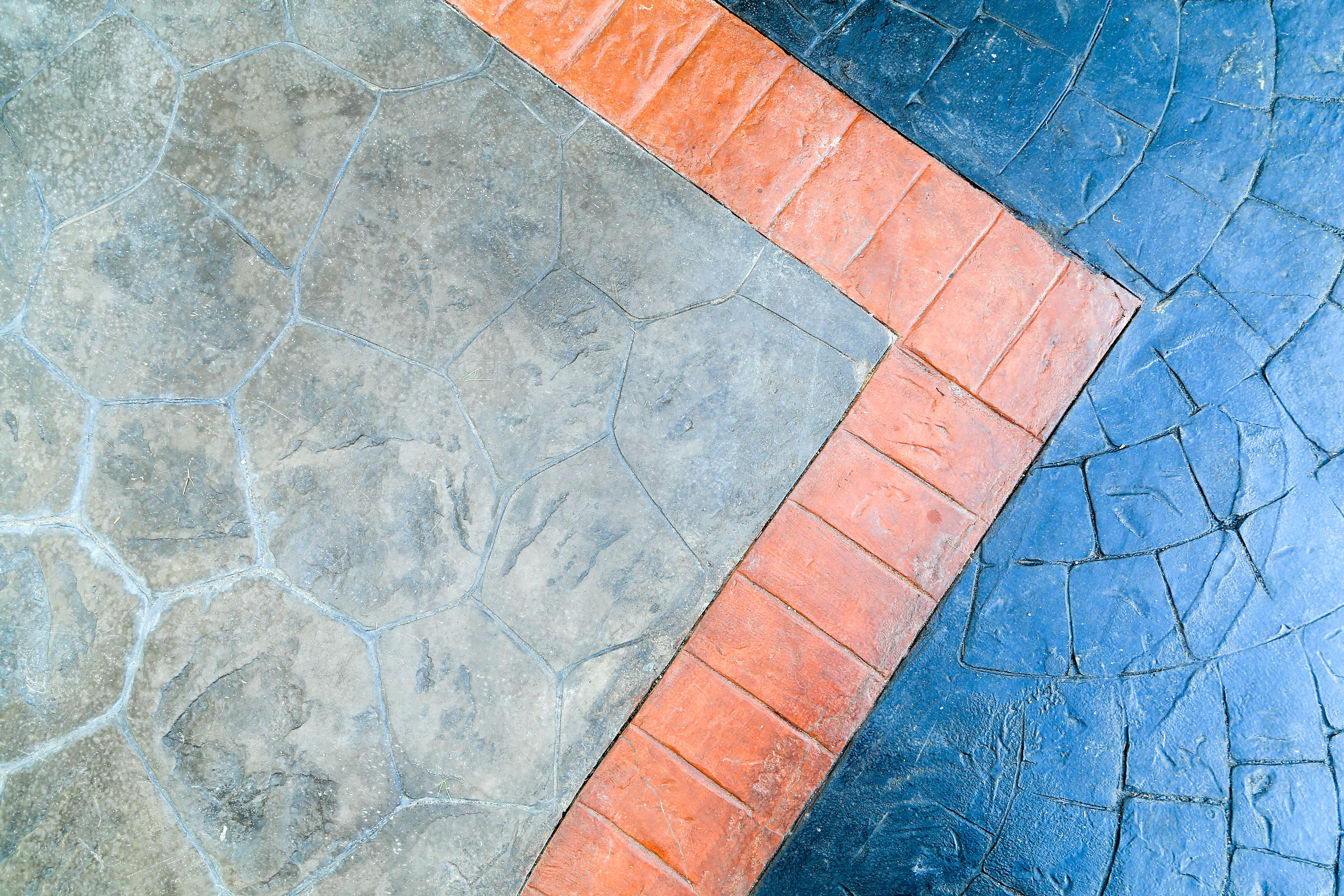
There isn’t any lack of options and design patterns when you choose stamped concrete as your material. Stamped concrete has the ability in mimicking almost any hardscape surface such as slate, bricks, or natural stones, creating a natural appeal. You will never be out of style because it has various customizing options. This also means that you can pick designs that would complement the style of your house. Therefore, stamped concrete aims to accentuate the value of your property.
Easy for Upkeep
If you worry about weeds growing through the joints of the concrete or habitual cleaning of the surface, then worry no more with stamped concrete. The durability and long-lasting feature of the stamped concrete makes maintenance almost negligible. It requires lower maintenance than the regular pavers or bricks. Also, you just need to follow periodic sealing, which is every 2 to 3 years, to prevent concrete cracking or chipping and color from fading.
Cost-effective Option
The price of the stamped concrete varies depending on the complexity of the project, but it is still a cost-effective and more competitive solution than naturalstones or pavers. It requires less time and cost of installation without compromising the overall result and aesthetic value of your property.
Increased Value and Longevity
Stamped concrete has succeeded and performed well without any hassle. It has long-lasting durability and strength. You don’t need to replace stamped concrete because it is continuous form. This means that it also reduces tripping hazards. If well installed and maintained, it can last around 25 years which is considerably better than some pavers and surface materials.
Less Labor Intensive
Installation of stamped concrete is much quicker than natural stone or pavers because the process does not need to do any subsequent flooring system as in the case of bricks or tiles. Less labor-intensive means saving more time and cost.
Concrete Patterns and Design Ideas
Stamped concrete is a chameleon. It aims to resemble natural materials, so you can choose different patterns and combinations readily available whenever you decide to start your own indoor or outdoor project. You already know that stamped concrete is an ideal choice for your next remodeling project. So, here’s the list of the most common patterns and textures you can try and mix-match.
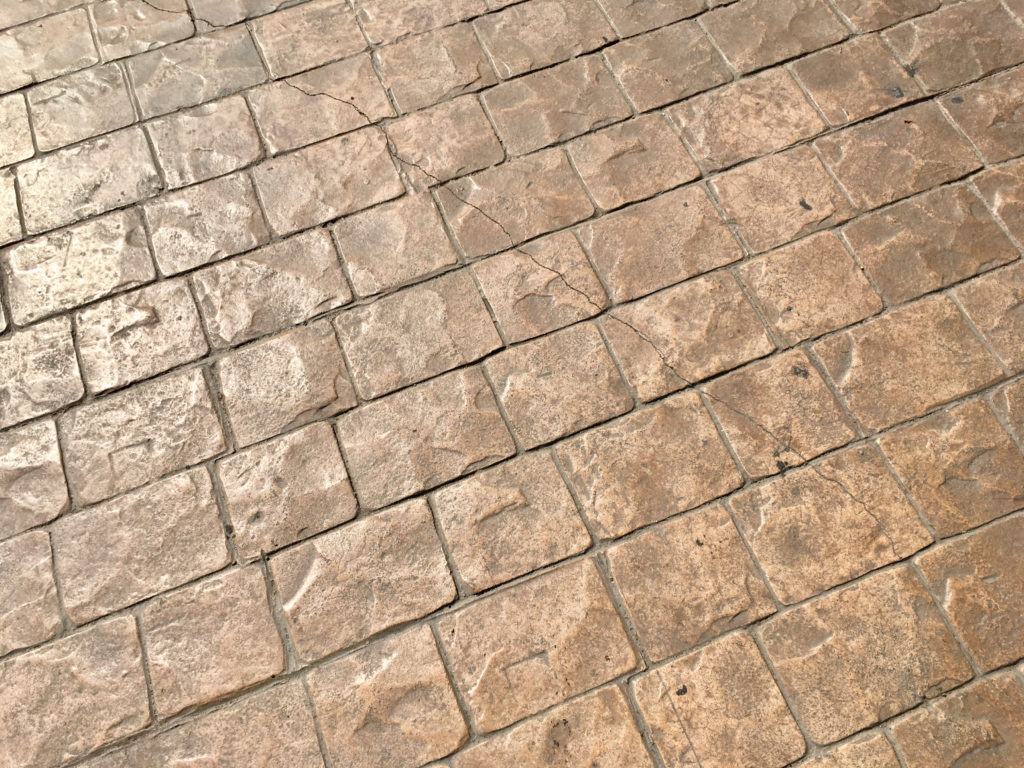
Ashlar Slate
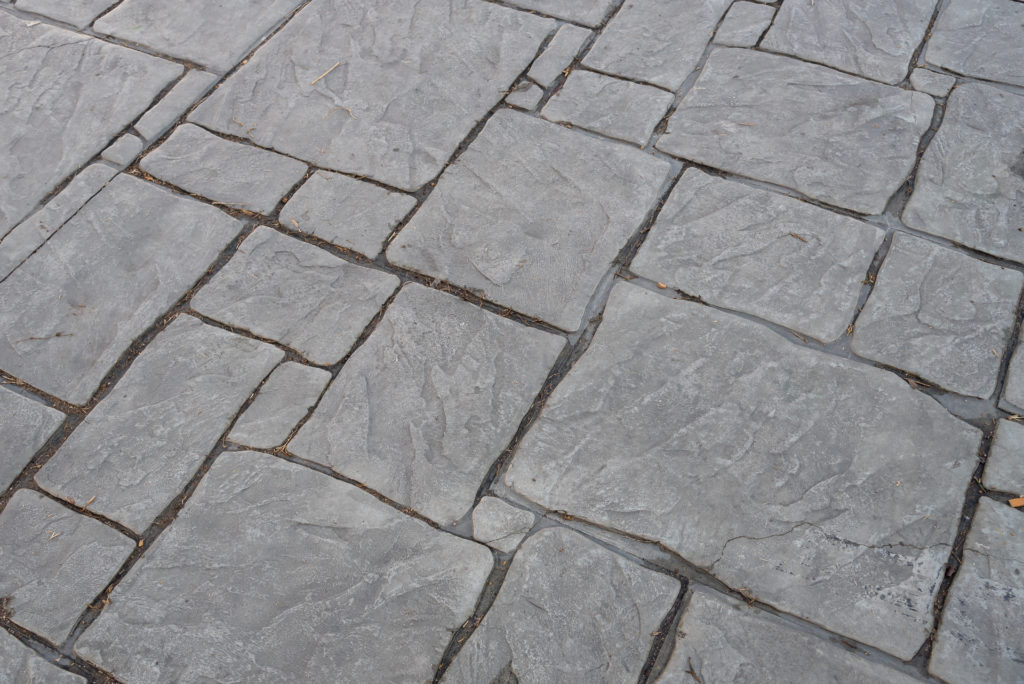
Ashlar slate is usually a top-choice because of its timeless appeal. Defined for its random patterns of squares and rectangles, ashlar slate is a perfect choice for pool decks and patio. The pattern copies the appearance of a hand-chiseled stone, so it is also good for sidewalks and driveways.
Herringbone
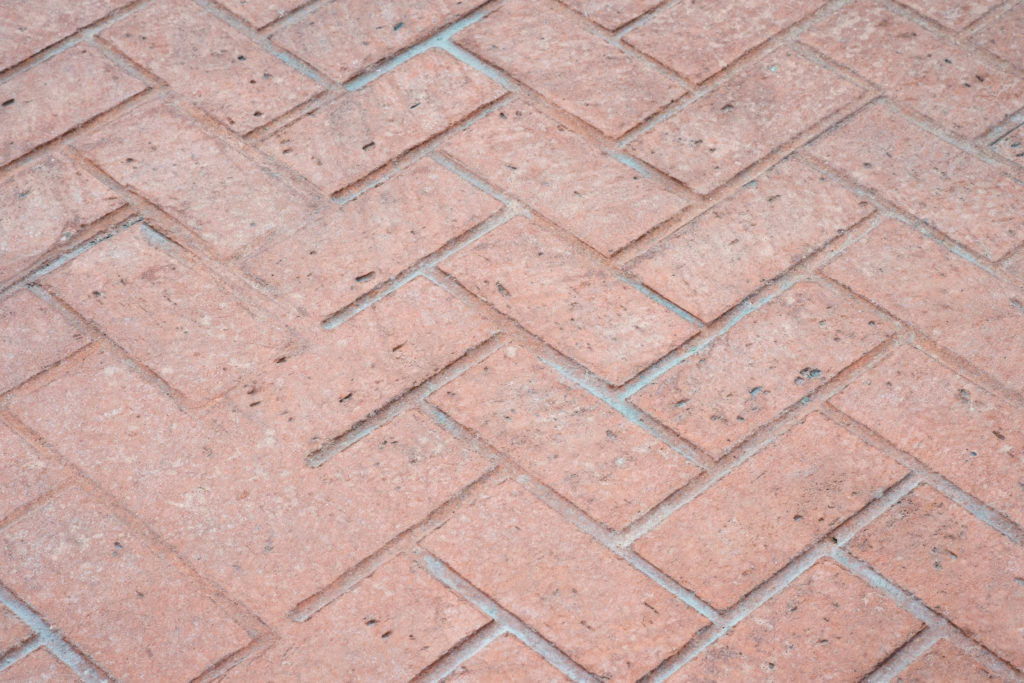
This is another type of brick pattern where brick sized rectangles are arranged and designed alternately, creating a resemblance of a fish bone. It complements the style and accent of Victorian or English houses, which is also good for pavements and floor. The herringbone pattern is an ideal choice for homeowners who want their small spaces look longer or stretched.
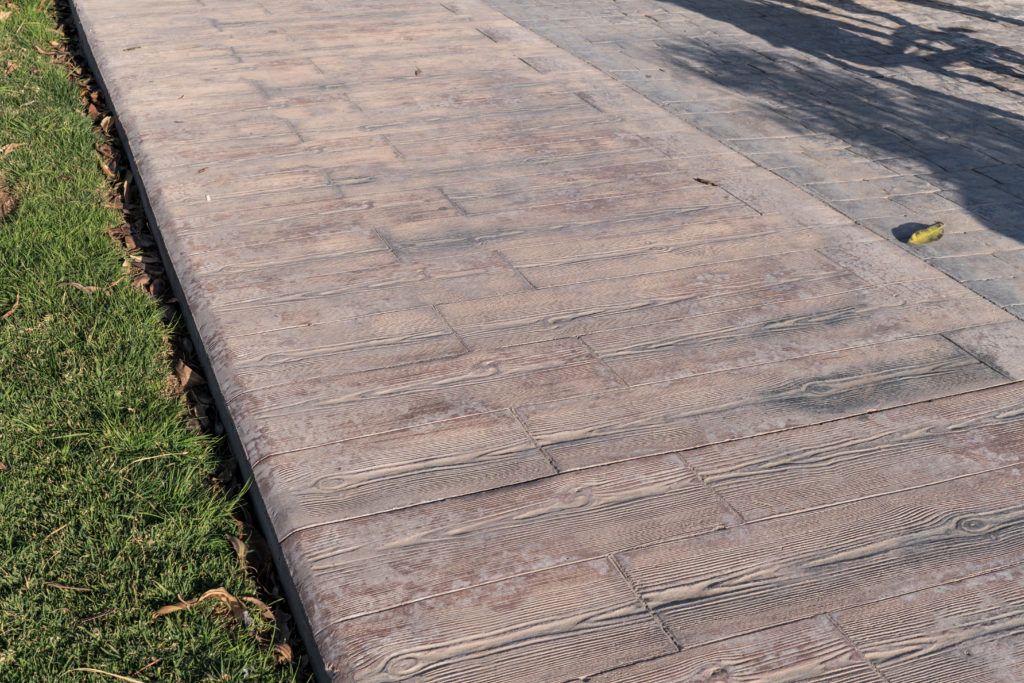
Wood Plank
Wood plank pattern creates a wood grain texture which is good for deck and patio designs. It can withstand weather conditions and requires a very little upkeep, so you won’t have to worry about maintaining it every time. Wood plank pattern is ideal for studio spaces and floor plans.
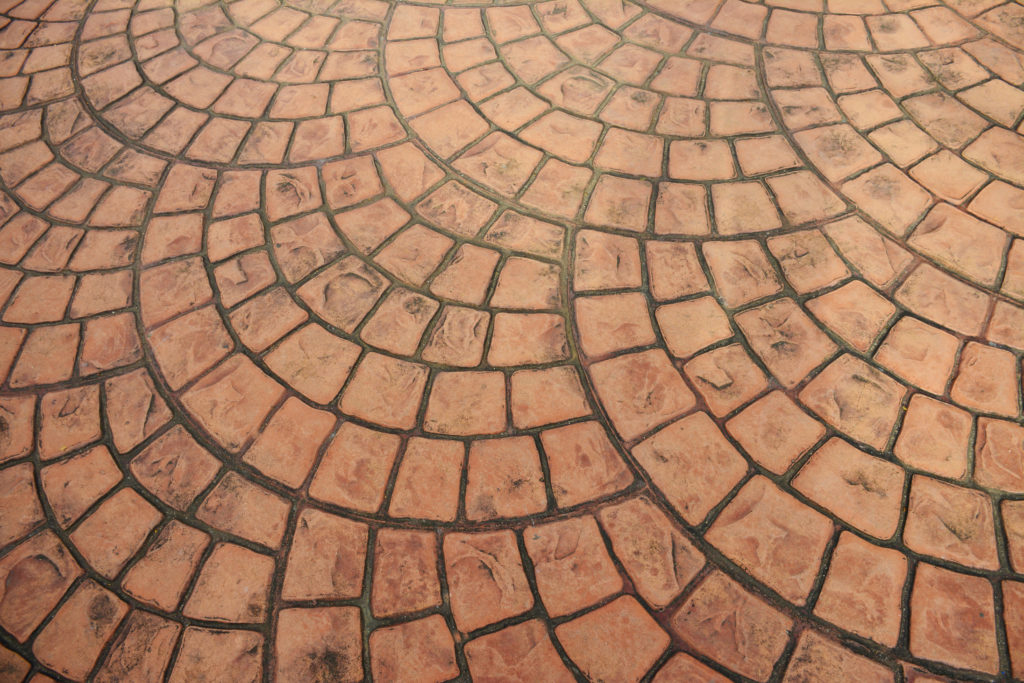
European Fan
European Fan creates an interlocking pattern and replicates an appearance of a hand-chiseled stone. It resembles an elegant, radial stone design which is ideal for houses with old-world landscape or character, creating an antique charm.
Cobblestones
Cobblestones make good pavement or outdoor flooring texture. This pattern leaves a nostalgic feeling of prehistoric streets and courtyards, making it unique and distinct.
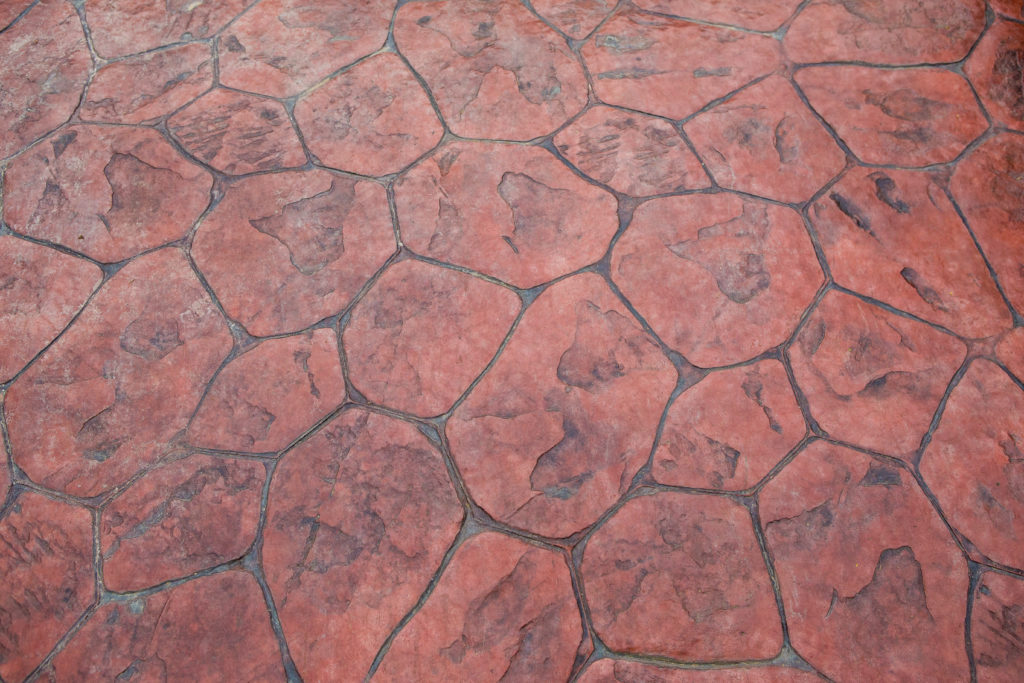
Random Stone
With a heavily textured look and natural stone configurations, the random stone is a good choice for patio, walkway, and driveways, or any other outdoor project. If you are crazy over a combination of rustic and irregular stones appeal, this pattern is a perfect choice.
Running Bond
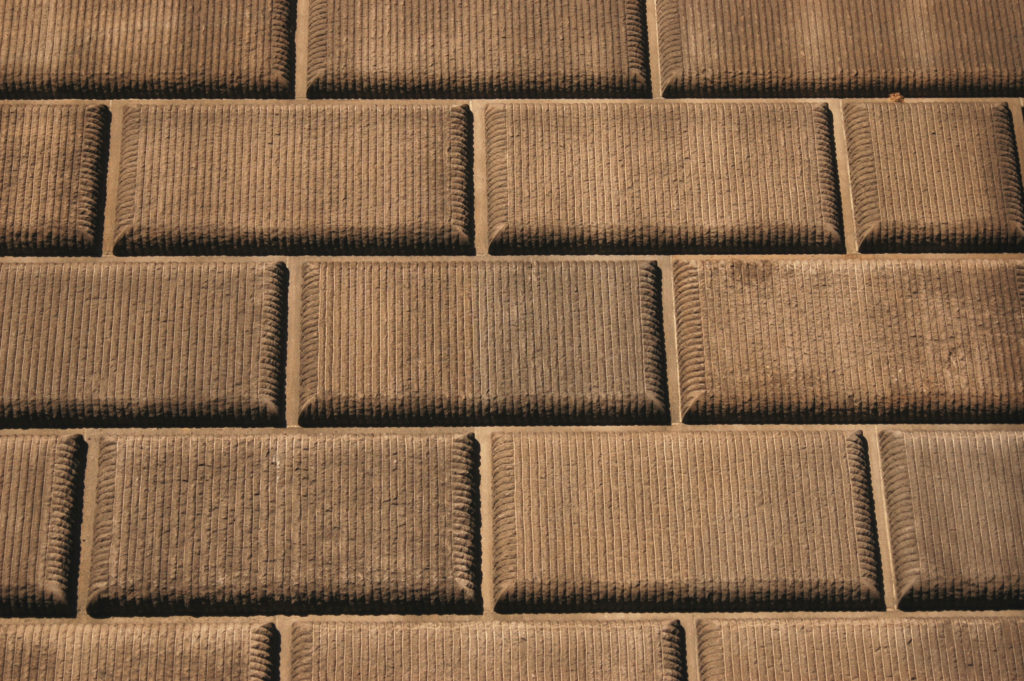
This is one of the simplest but decorative paving patterns. Running bond has a traditional brick pattern which complements outdoor spaces, driveways, kitchen and retaining walls. With various stone and color combinations, running bond pattern is an economical choice as it offers less expensive solution compared to other outdoor flooring options.
Other Patterns and Textures
There are other types of concrete pattern and texture you can use for your indoor and outdoor projects. You can try using a rough stone skin which creates a natural stone texture. You can also include Santa Barbara tile as an option. It has a decorative pattern of textured octagons which is good for floor designs. Whichever design patterns and texture you may want to use, stamped concrete has a lot more to offer. Discuss these design ideas with your contractor and start your project today.
Concrete Stamping Process
Now that you have chosen the pattern and design ideas you want, it’s time to move the plan into construction. Though your contractor will help you with your questions, it would be helpful to have a basic knowledge of the stamped concrete process. Here are the basic processes you need to know about the stamped concrete.
Applying Base Color
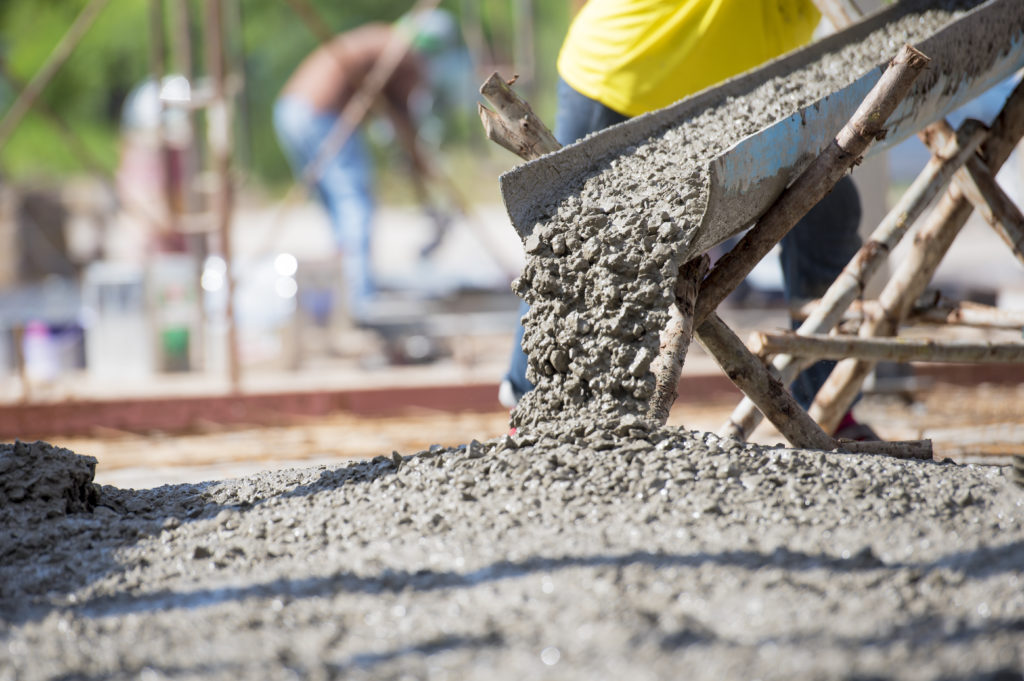
Once the concrete gets to the point of plasticity or after which any pre-existing concrete is removed, you must pick your colors. There are two basic methods of applying colors: integral color and color hardener (dry powder). The first method is integral color, where the color pours and mixes directly with cement in a mixer. This is costly; however, it creates a solid color to the concrete. The second method is color hardener, where the dry powder is applied after the concrete is all prepared and poured.
Adding Release Color or Agents
After the primary color is applied, a secondary color is added in a form of releasing agents or colors. The releasing agent serves as a bond breaker to prevent the stamp from sticking and distorting the imprinted texture.
Stamping
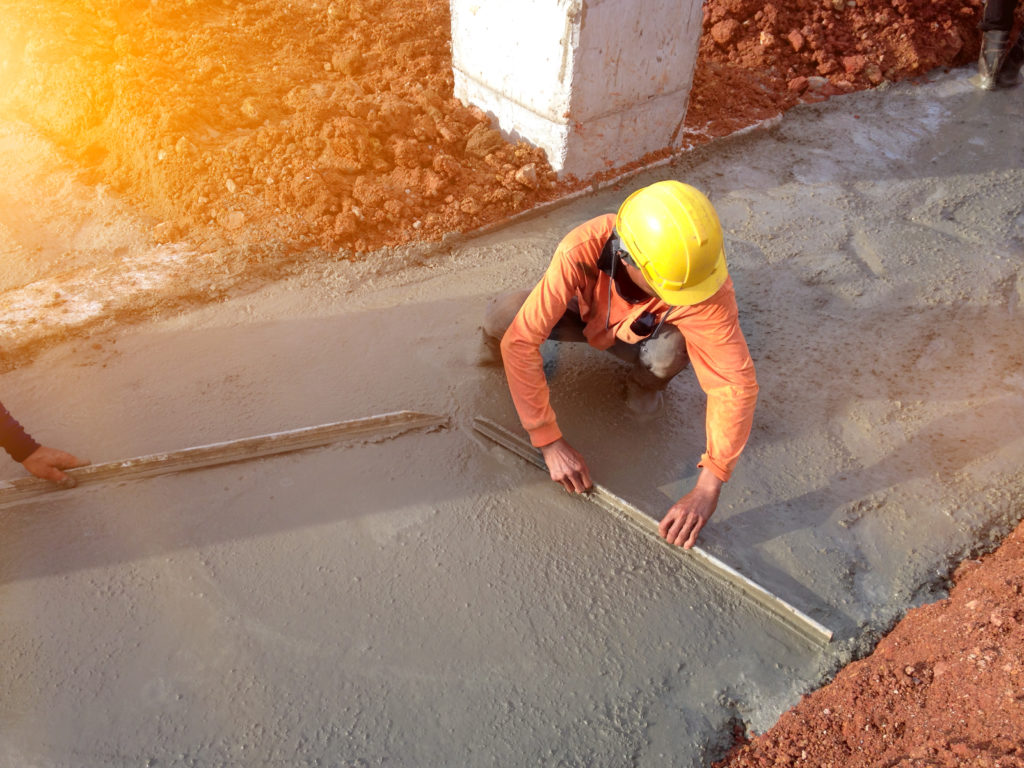
Following the application of releasing agents, the project is ready for stamping. This is done by pressing down the stamping tools into the surface. Directly and gently tamping the stamping tools creates patterns and textures into the colored surface. The contractor prepares the concrete for curing usually overnight.
Washing and Cutting
After a day, the concrete surface is washed to remove any remaining release agent or excess color hardener. This is also a preparation for curing which will take a few days before the sealing process. At this stage, you can see the integral color blends with the releasing color, however, its final color will appear after complete sealing.
Sealing
The contractor applies afinished coat sealer after the process of concrete slab curing. You can also discuss sealer options with your contractor.
Final Thoughts
The possibility of bringing your backyard place, or swimming pool decks into an outdoor living space is within your reach. With this wide array of alternatives, benefits, and design patterns, stamped concrete is an ideal option for your home remodeling project. Contact a professional contractor near you today and start your next renovation project.



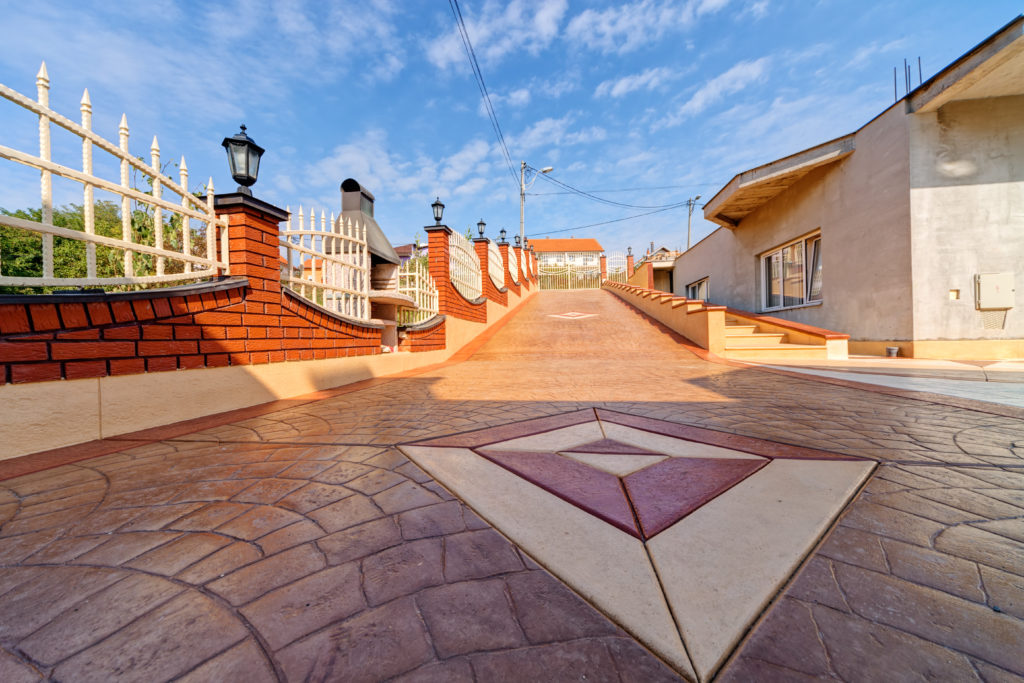 Stamped concrete or decorative concrete mimics natural stones or surfaces and offers a wide array of options. It is ideal for outdoor projects like driveway, patio or pool deck because of its aesthetic value, durability and long-lasting benefits. With its high demand and popularity, it has been a top choice for homeowners and businesses alike. A detailed article from concreteconstruction.net says that the global decorative concrete market has reached USD 8.77 Billion in 2016 and is predicted to achieve USD 12.78 Billion by 2022. This figure can tell how stamped concrete can dominate the concrete floor industry today. However, before you jump start and contact a professional contractor near you, let’s find out why you should choose a stamped concrete over any other pavers and surface materials.